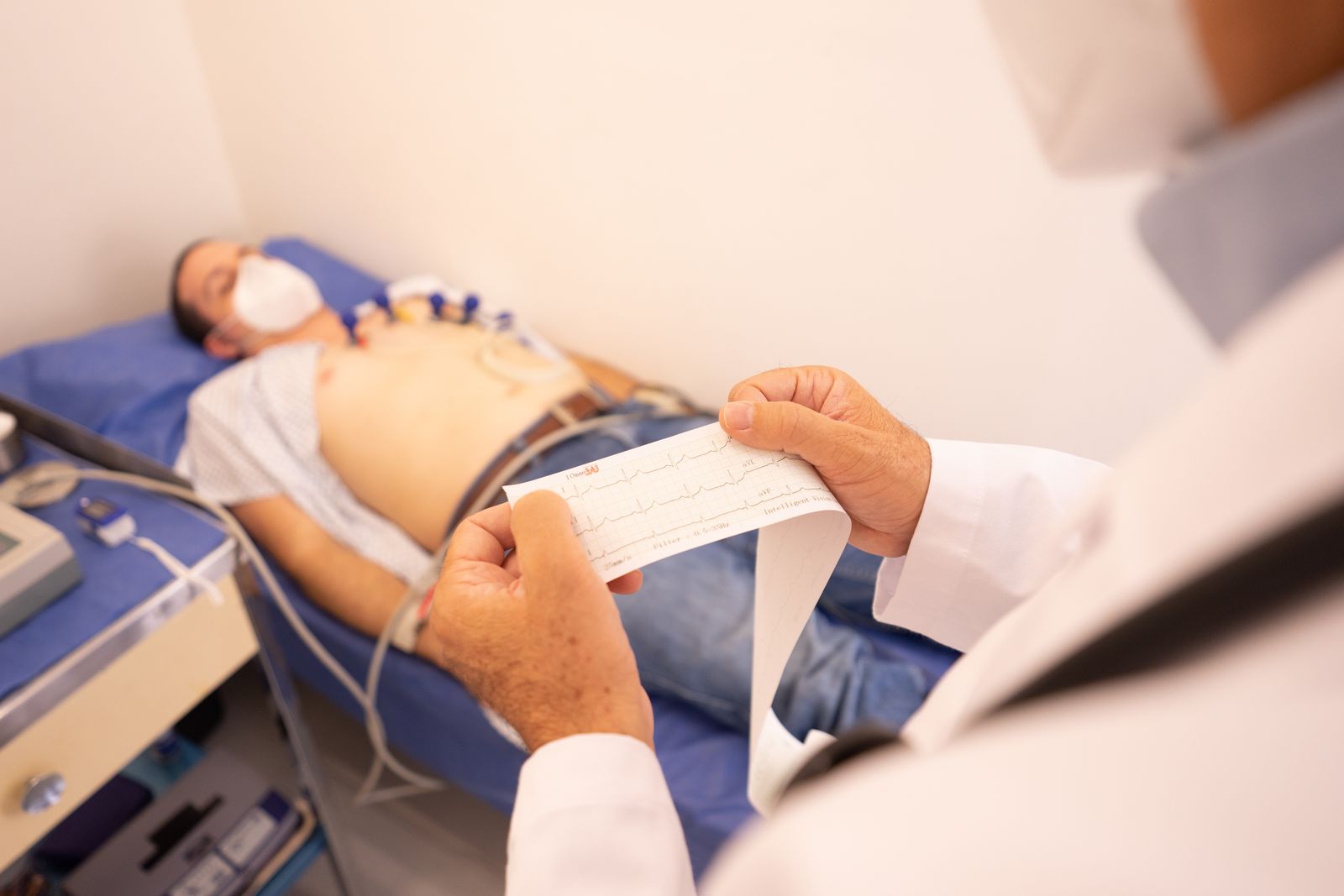
EKG testing to understand your heart’s rhythm
An electrocardiogram, or EKG, is one of the most useful tools in evaluating heart health because it captures the electrical activity that drives every heartbeat. At PremCare Family Medical Center in Orlando, Dr. Rasool uses EKG testing as part of internal medicine care when your symptoms or risk factors call for it, giving you a clear picture of how your heart is functioning without requiring a separate specialist visit for a routine reading.
An EKG is quick and painless. Small sensors are placed on your chest, arms, and legs to record your heart’s electrical signals, and the results are available for Dr. Rasool to review right away. While an EKG cannot diagnose every heart condition, it is an important first step in identifying rhythm problems, signs of past heart strain, and other patterns worth a closer look.
When an EKG may be recommended
Dr. Rasool may order an EKG in a range of situations, depending on your symptoms and health history.
- New or ongoing chest discomfort, to help understand whether your heart may be involved.
- Palpitations or a sense of irregular heartbeat, to check your heart’s rhythm.
- Shortness of breath or unexplained fatigue, which can sometimes point to a cardiac cause worth ruling out.
- Known heart disease or risk factors, such as high blood pressure, high cholesterol, or diabetes, as part of routine monitoring.
- Pre-operative evaluation, when a planned procedure calls for a baseline look at heart function.
- Family history of heart conditions, as part of a broader risk assessment.
A note on where testing happens: an EKG can be performed at our office when clinically indicated, though availability may depend on scheduling and your specific situation — our office can confirm current details when you call.
What your results mean
An EKG can reveal a number of things about your heart, from a normal, healthy rhythm to patterns that warrant further attention, such as irregular heartbeats, signs of reduced blood flow, or evidence of past strain on the heart muscle. Dr. Rasool reviews every result in the context of your symptoms, history, and other risk factors, rather than looking at the tracing in isolation.
If your EKG points to something that needs a closer look, Dr. Rasool will explain what was found in plain language and outline next steps, which may include additional testing, medication adjustments, or a referral to a cardiologist for specialized evaluation. Many findings are manageable once identified, and catching a rhythm or strain issue early often means more options for addressing it before it becomes a bigger problem.
Schedule your visit
If you have symptoms that concern you, risk factors for heart disease, or simply want a clearer picture of your heart health, Dr. Rasool and the team at PremCare Family Medical Center are here to help. Call (407) 380-1428 to schedule an appointment and find out whether an EKG is the right next step for you.